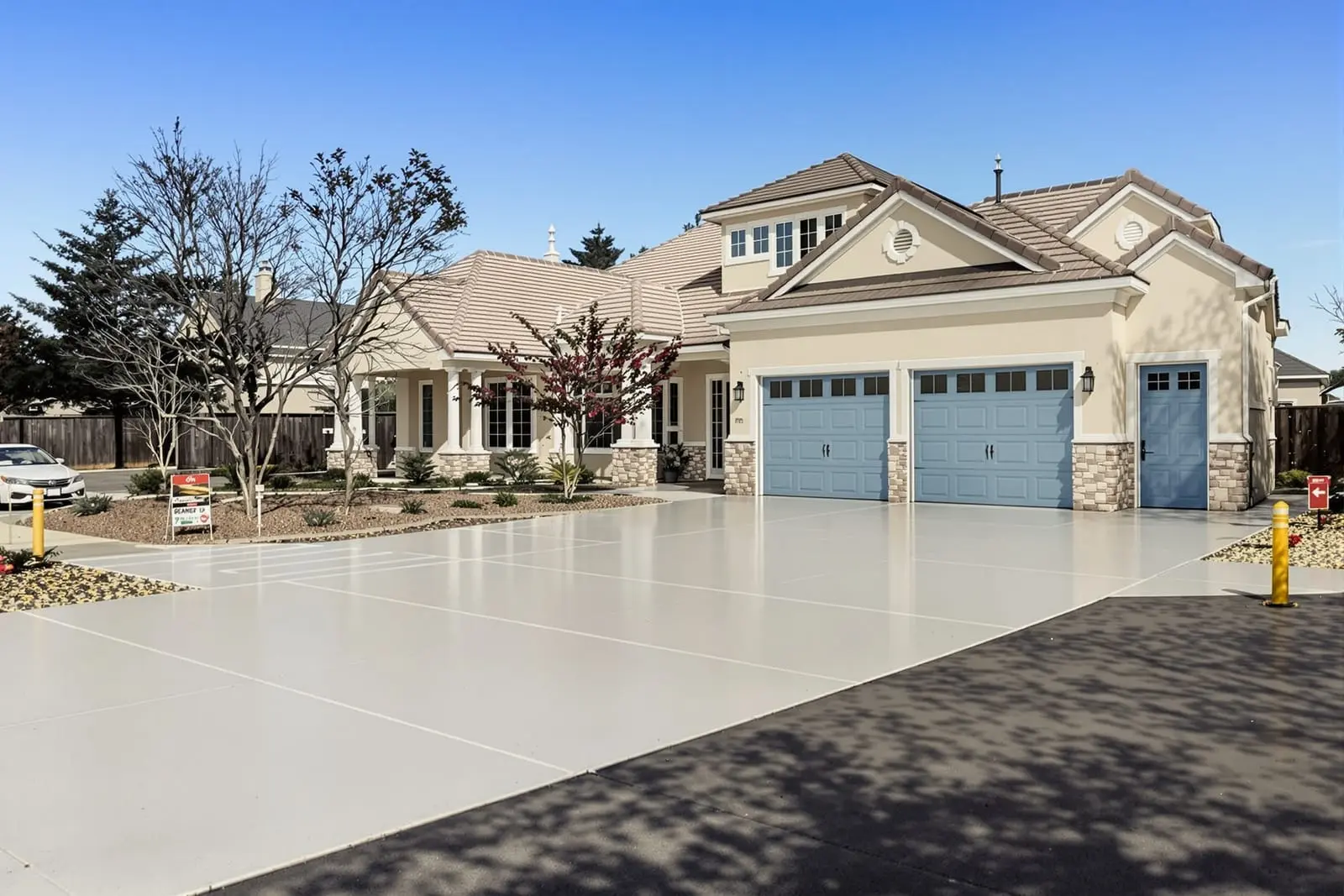
Keep your property accessible with commercial concrete paving in Kissimmee, FL. We install heavy duty pavement for storefronts, access lanes, and common areas. Our team coordinates around your operations to deliver smooth, reinforced concrete surfaces built for vehicle and pedestrian traffic.
Primetime Concrete Kissimmee provides professional commercial concrete paving throughout Kissimmee, FL and the surrounding area. Our licensed, insured crew delivers safe, clean, on-time work with a free estimate before anything begins. Call (321) 248-5449 or request your free quote.
Commercial Concrete Paving for Kissimmee Properties
Primetime Concrete Kissimmee provides commercial concrete paving built to handle Central Florida traffic, rain, and heat. We focus on long-term performance for parking lots, drives, loading areas, and walkways, not just a clean finish on day one.
When we look at a commercial site in Kissimmee, we first think about how the surface will actually be used. A restaurant parking lot with frequent turning movements at the drive-thru needs different pavement thickness and joint layout than a warehouse truck court with straight-line semi traffic. Our crews design and build concrete pavements around those real use patterns so you get fewer cracks, fewer depressions, and less standing water.
Commercial concrete paving is a significant investment, and the cost of shutting down part of your property is often higher than the paving itself. That is why we plan phasing, traffic control, and pour schedules in detail before work begins. The goal is to keep your business accessible, keep the project predictable, and deliver concrete work that holds up to Kissimmee’s heavy rains and intense sun.
How Our Commercial Concrete Paving Process Works
Our process starts with a site visit, not a guess from drawings alone. We inspect existing pavement, subgrade conditions, and drainage paths. In Kissimmee’s sandy soils and low-lying areas, subgrade and water control are often the difference between a slab that lasts 30 years and one that fails in 5.
After the evaluation, we propose pavement thickness, concrete mix design, and reinforcement options based on actual loads. Light duty car parking might be 4 to 5 inches of concrete, while garbage truck routes or loading dock aprons are typically 6 to 8 inches with steel reinforcement or dowels at joints. We review each zone with you so you understand why we are recommending a certain section and what it means for cost and longevity.
Once approved, we handle layout, sawcutting and demo of existing surfaces, excavation, and grading. We compact the base with plate tampers or rollers to meet density targets, not just “looks good.” If we see pumping or soft spots during compaction, we correct them with stabilization methods before any concrete is placed.
On pour day, we set forms, install reinforcement, and place concrete using chutes or pumps depending on site access. Our crews strike off, bull float, edge, and finish the surface to the specified texture, then cut or tool joints at the spacing required for your slab thickness. We apply curing methods, commonly spray-applied curing compound for larger commercial areas, to control moisture loss and reduce early cracking.
Finally, we return for joint sealing, striping, and any bollards or wheel stops you have specified. We coordinate inspections when required by local building departments or commercial property managers to ensure your new concrete pavement is fully documented and compliant.
Concrete Design Choices for Commercial Pavements
Commercial concrete paving is not one-size-fits-all. Primetime Concrete Kissimmee helps you choose finishes and details that fit both performance and appearance goals.
For high-traffic parking lots and drives, we typically use a broom finish that provides traction in wet conditions and reduces glare in bright Florida sun. For pedestrian zones near storefronts, we can tighten the broom, use a troweled border, or add decorative bands. This keeps the main traffic lanes durable while upgrading the look around entrances and outdoor seating areas.
Color and decorative options are available where branding and curb appeal matter, such as hotel entries or retail plazas. Integrally colored concrete, exposed aggregate borders, or sawcut scoring patterns can visually separate drive lanes from pedestrian areas without sacrificing strength. We always balance aesthetics with function so decorative elements do not create trip hazards or maintenance headaches.
We also address practical details that often get overlooked. Curb profiles that allow easier cart movement for grocery stores. Heavy-duty approaches at dumpster pads where trucks turn sharply. Thicker sections and doweled joints in front of roll-up doors or loading docks that see point loads from forklifts and pallet jacks. Each of these is a small design choice that affects how your property works day to day.
What Drives the Cost of Commercial Concrete Paving
Primetime Concrete Kissimmee is straightforward about what affects cost, so you can make informed decisions and avoid surprises.
The biggest drivers are slab thickness, total area, and the required base preparation. A 6-inch slab over a stabilized base costs more up front than a thin section over minimally prepared soil, but in areas with delivery trucks or garbage trucks, the thicker design usually saves money over time by preventing rutting, slab rocking, and early reconstruction.
Subgrade issues are another key factor. In Kissimmee, we frequently encounter saturated or organic soils, especially in low spots or near retention ponds. Correcting these with undercut and replacement, lime or cement stabilization, or additional base rock adds cost but is often essential for long-term performance. Ignoring bad subgrade to save money is one of the main reasons commercial pavements fail early.
Access and phasing also influence price. If we must pour in many small sections to keep operations running, or if there is limited truck access that requires concrete pumping, that adds labor and equipment time. Conversely, properties that allow well planned phases and efficient truck routes can see better pricing.
Finally, reinforcement type, joint detailing, decorative finishes, and specialty features like thickened edges or integral curbs all have cost impacts. We walk you through each option so you can prioritize where to invest and where you can safely reduce scope without hurting performance.
Solving Common Commercial Concrete Problems in Kissimmee
Our team is very familiar with the issues that show up in Kissimmee commercial concrete, and we design our work to avoid those problems from the start.
Standing water is a frequent complaint. Heavy summer rains quickly reveal flat or poorly drained pavements. We address this through careful grading and using the correct slopes, typically at least 1 percent for primary pavements and additional attention around drains and inlets. Before we leave, we flood test suspect areas when possible to confirm that water moves as designed.
Premature cracking and surface scaling often come from a mix of poor subgrade, inadequate jointing, or rushed finishing. Primetime Concrete Kissimmee follows project-specific joint spacing based on slab thickness and uses early-entry or wet-cut saws within the correct window to relieve shrinkage stresses. For finishing, we avoid overworking the surface or adding water at the top, which is especially risky in hot, sunny conditions.
Edge failures near dumpster pads and entrances are common on older properties. We prevent these with thickened edge designs, proper steel reinforcement, and doweled transitions between new concrete and existing slabs. When tying into asphalt at property entrances, we design a transition that reduces impact loading at the joint so the edge does not ravel or break off.
When we are called to replace failed sections, we investigate why the original concrete failed before proposing a solution. We then adjust thickness, base, or jointing patterns so you are not paying to repeat the same mistake.
Working Around Your Business Operations
Commercial concrete paving only succeeds if it respects how your property operates. Primetime Concrete Kissimmee plans phasing and scheduling around store hours, delivery windows, and peak traffic times.
We often divide parking lots into phases so customers always have designated open areas. For retail centers, that might mean finishing the rear delivery drives early, then alternating customer parking areas. For restaurants with drive-thrus, we plan short, focused closures for drive lanes, often early in the week when volume is lower, and coordinate temporary signage and cones so customers know exactly where to go.
Concrete curing time is another factor. In typical Kissimmee summer conditions, light car traffic can often use new concrete within a few days, but heavy trucks or dumpsters require longer. We discuss these timelines clearly in advance and offer temporary access solutions when feasible, such as alternate drive paths, temporary rock surfaces in non-critical areas, or staged stripping.
We also communicate with tenants, property managers, and delivery services as needed. Clear site maps, barricades, and striping plans help avoid confusion during the project and after opening. Our goal is a finished pavement that works smoothly from day one, with no guesswork about where vehicles and pedestrians should move.
When to Plan Your Commercial Concrete Paving in Kissimmee
Central Florida’s climate affects when and how we pour commercial concrete. Primetime Concrete Kissimmee adjusts mix design, scheduling, and curing practices to match the season.
In the hot, humid months, concrete sets faster, which can be helpful if controlled and a problem if not. We often use set-retarding admixtures and schedule pours earlier in the morning to avoid the harshest sun and rainstorms. Finishing is timed carefully so troweling and texturing happen within the ideal window, reducing the risk of surface defects.
The rainy season means we watch forecasts closely and maintain backup dates. We do not place concrete when there is a high risk of heavy rain during the initial set. Plastic sheeting, drainage ditches, and temporary berms are used to protect freshly placed areas when storms threaten. It is better to postpone a pour a day than to accept a compromised surface that will need repair later.
For large projects, we often recommend planning major phases outside the peak storm months when possible, especially heavy truck areas or complex pours. That said, with proper planning and the right mix adjustments, we successfully install commercial concrete paving in Kissimmee year round. The key is honest schedule discussions and a contractor who understands how local weather interacts with concrete behavior.
“
Professional commercial concrete paving, done right the first time, quality materials, honest pricing, and results that last.
Primetime Concrete Kissimmee
Commercial Concrete Paving Across Our Service Area